



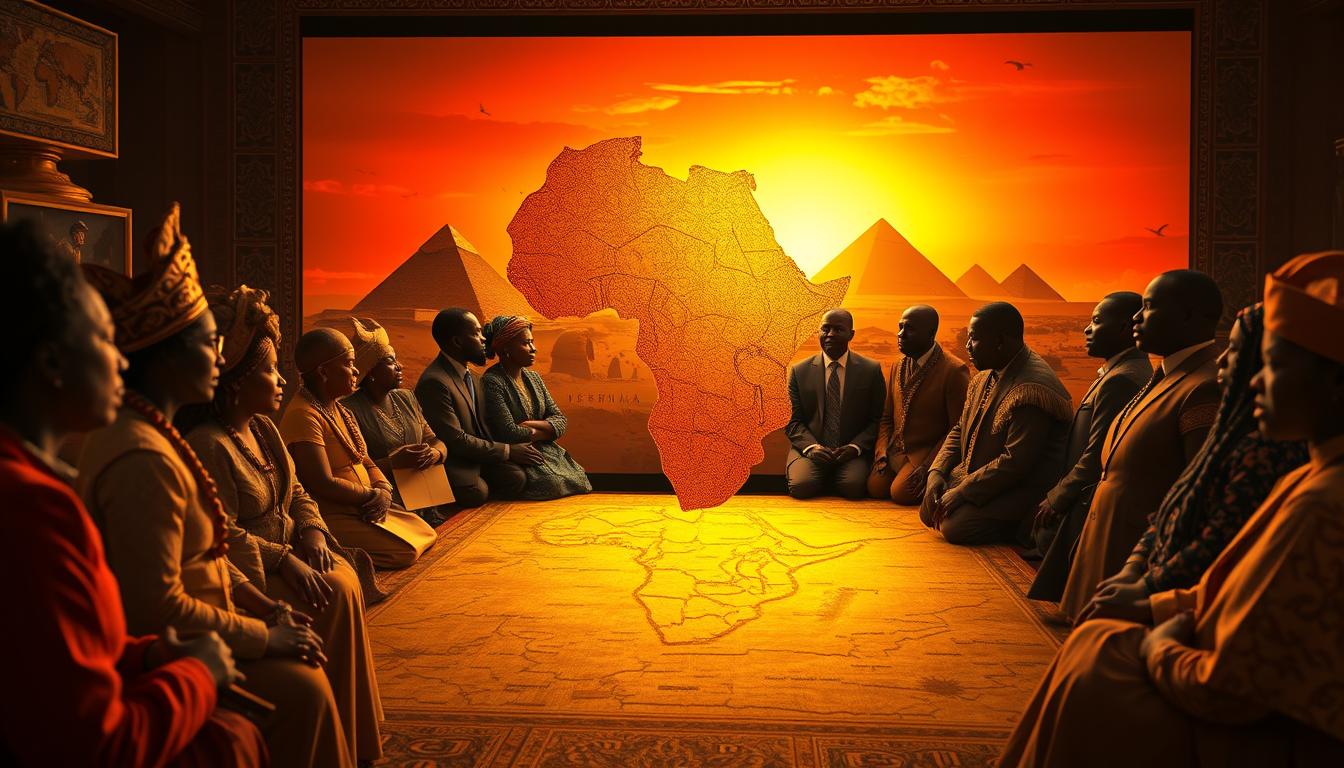
The idea of renaming Africa to Alkebulan has sparked intense debate. Alkebulan, an ancient name for Africa, holds significant cultural and historical value.
This name change proposal brings to the forefront the rich heritage and identity of the African continent. Exploring the historical context and cultural significance of Alkebulan is essential to understanding the potential implications of such a change.
Renaming Africa to Alkebulan is a concept that warrants a friendly and approachable discussion, considering the potential effects on the continent’s identity and global recognition.
Key Takeaways
- The name Alkebulan has historical significance and cultural importance.
- Renaming Africa could impact the continent’s identity.
- The proposal sparks debate about cultural heritage.
- Understanding the historical context is crucial.
- The name change could have global implications.
The Historical Origins of Alkebulan
Delving into the historical origins of Alkebulan reveals a rich tapestry of cultural heritage and identity that predates the continent’s current name. This exploration not only sheds light on the ancient name’s significance but also on how Africa came to be known by its current name.
The Ancient Name and Its Cultural Significance
Alkebulan, meaning “mother of mankind” or “garden of Eden,” was used by various African cultures to refer to the continent. This name is deeply rooted in the cultural and historical identity of Africa, symbolizing a connection to the land and its people.
How Africa Received Its Current Name During Colonization
The name “Africa” was given to the continent by European colonizers. The term is believed to have originated from the Romans, who used it to refer to the region now known as Tunisia and parts of Algeria. Over time, the name “Africa” became the standard term used globally to refer to the continent, overshadowing indigenous names like Alkebulan.
Arguments Supporting a Name Change to Alkebulan
The idea of changing Africa’s name to Alkebulan is rooted in a desire to reconnect with the continent’s rich cultural heritage. This proposition is not merely about nomenclature; it’s about reclaiming a pre-colonial identity that was lost due to the imposition of names by colonial powers.
Reclaiming Pre-Colonial Identity and Cultural Heritage
Renaming Africa to Alkebulan is a step towards reclaiming the continent’s cultural heritage. Alkebulan, meaning “mother of mankind” or “garden of Eden,” reflects the continent’s historical and cultural significance. Some key aspects of this cultural heritage include:
- Restoring indigenous cultural practices and traditions
- Reviving ancient knowledge systems and historical narratives
- Promoting a sense of unity and shared identity among African nations
Psychological and Symbolic Decolonization
Changing Africa’s name to Alkebulan is also a symbolic act of decolonization. It represents a psychological break from the colonial legacy and a reassertion of African identity. The process involves:
- Challenging the dominant narratives imposed by colonial powers
- Fostering a sense of pride and ownership among Africans
- Reclaiming the continent’s historical narrative
By renaming Africa to Alkebulan, the continent can symbolically reclaim its past while forging a new identity that is rooted in its rich cultural heritage.
Would it be a good idea for the continent of Africa to change its name to the name Alkebulan? Challenges and Considerations
As discussions around decolonization gain momentum, the suggestion to rename Africa to Alkebulan has garnered significant attention. While the idea has its proponents, it is crucial to examine the challenges associated with such a significant change.
Logistical and Political Implementation Challenges
Renaming Africa to Alkebulan would involve complex logistical and political processes. It would require consensus among all African countries, which is challenging given the diverse political and cultural landscapes. Updating official documents, maps, and educational materials would also be a monumental task.
Economic and Global Recognition Concerns
Economic concerns are another significant aspect to consider. Renaming Africa could lead to substantial costs associated with rebranding, updating international documents, and potentially losing global recognition. The impact on tourism and international business, where brand identity is crucial, could also be significant.
In conclusion, while the idea of renaming Africa to Alkebulan is rooted in reclaiming the continent’s historical identity, it is fraught with logistical, political, and economic challenges. A thorough consideration of these factors is essential to making an informed decision.
Balancing Historical Identity with Modern Realities
Renaming Africa to Alkebulan is a complex issue that requires balancing historical identity with modern realities. The name Alkebulan holds significant cultural heritage, symbolizing the continent’s rich history and pre-colonial identity.
However, implementing a name change poses logistical and political challenges. The modern implications of such a change must be carefully considered, including potential economic and global recognition concerns.
A thorough examination of the Africa name change reveals that it is not just a matter of reclaiming a historical name, but also about understanding the modern implications on international relations, economic development, and cultural exchange.
Ultimately, the decision to change Africa’s name to Alkebulan should be guided by a nuanced understanding of its cultural heritage and the potential consequences of such a change. By engaging in a thoughtful and inclusive discussion, Africans can make an informed decision that respects both their historical identity and modern realities.


